
-
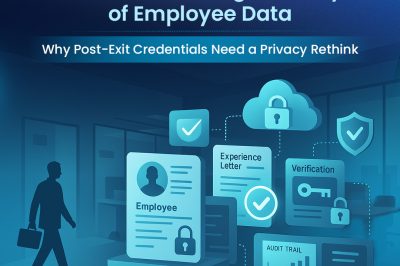
DPDP Act & The Forgotten Layer of Employee Data: Why Post-Exit Credentials Need a Privacy Rethink
India’s Digital Personal Data Protection Act (DPDPA), 2023 introduces a new discipline around how organisations collect, process, store, and delete personal data. Much of the conversation so far has focused on customer consent and digital transactions. Yet one critical area remains largely overlooked — what happens to personal data after an employee leaves an organisation.…
-
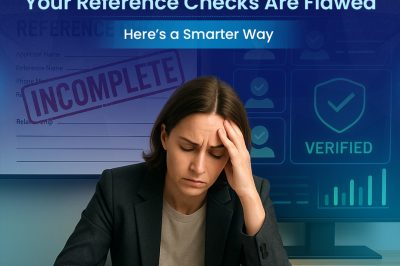
Your Reference Checks Are Flawed. Here’s a Smarter Way
Introduction Let’s face it: most traditional reference checks are a mess. They’re time-consuming, inconsistent, and more often than not subjective or unreliable. HR professionals are stuck chasing ex-managers, verifying sketchy email IDs, and decoding vague responses like “They did okay.” The result? A broken process that fails to protect employers from poor hiring decisions or…
-
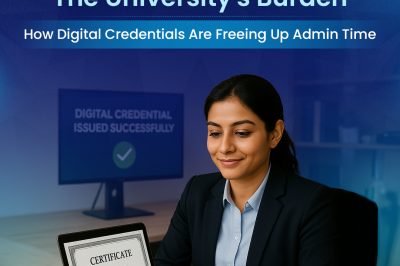
The University’s Burden: How Digital Credentials Are Freeing Up Admin Time
Universities across India are facing a growing administrative challenge: issuing, verifying, and managing academic credentials for thousands of students every year. As demands for academic verification rise from employers, foreign universities, government bodies, and the students themselves, institutions are stretched thin trying to process requests, confirm records, and prevent forgery. This traditional, paper-heavy process is…
-
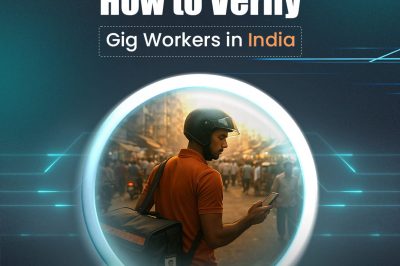
How to Verify Gig Workers in India
India’s gig economy is exploding. A NITI Aayog report projects the gig workforce will triple to 23.5 million by 2029-30. This massive growth, driven by digital platforms and flexible work, is amazing for our economy. However, with scale comes a critical challenge: trust and safety. So, how do you verify gig workers in India to…
-
The Silent Killer of HR: How Manual Verifications Are Costing You Millions
Manual Verification Costs are sneakily draining HR budgets. As companies invest heavily in hiring, training, and retention, one area that remains underserved continues to create inefficiencies, delays, and regulatory risks—manual background verification. In today’s age of the digital revolution, holding on to old verification procedures is not only a bottleneck but a million-dollar error. This…
-
Merit by eLockr: Building Trust in the Gig Economy
Trust isn’t optional. It’s the foundation of every workforce. The challenge isn’t just finding workers—it’s ensuring they are reliable, verified, and low-risk. That’s where Merit by eLockr comes in—a network-driven, real-time reference verification system built for the gig economy. The Problem: Why Gig Hiring Needs a Smarter Approach Merit by eLockr: How It Works Network-Based…
-

Simplifying Alumni Verification Workflows For High-Volume Campus Placements
Universities often face a tidal wave of credential verification requests during high-demand periods such as graduation seasons or mass alumni exits. These surges create administrative bottlenecks, pushing resources to their limits. Traditional manual verification methods buckle under this pressure, resulting in delays, inaccuracies, and dissatisfied stakeholders. The Problem: Overwhelmed Systems In these transition periods, universities…
-
Preventing Fraud in Gig Hiring: How Merit by eLockr ensures trust & compliance
The rapid growth of quick commerce and e-commerce has brought with it an exciting shift in the workforce landscape. However, as the gig economy expands and businesses increasingly rely on freelance and contract workers, a significant challenge has emerged: fraud. Fraudulent activities, including identity theft, falsified credentials, and worker misrepresentation, have become major concerns for…
-
The Power of Mobile Wallets: Looking Ahead to 2028
As we move into a digitally integrated future, mobile-based digital wallets like eLockr are set to reshape how we store, share, and verify essential credentials. By 2028, digital wallets are expected to become central to professional and personal verification processes, transforming employment, education, and income verification by offering a secure, user-friendly platform for managing verifiable…
-
The Role of Verifiable Credentials in Building a Remote Workforce
The rise of remote work has transformed business operations, replacing traditional office structures with flexible, location-independent setups. However, this shift brings new challenges, especially around trust, verification, and credential management. How can organizations ensure their remote employees truly possess the skills, experience, and qualifications they claim? This is where verifiable credentials come in – revolutionizing…